Wet Weather or Bright Skies: How Weather Shapes Rugby Matchday Rhythms
Rugby matchday rhythms change with rain and sunshine. Learn how to prepare for each forecast and notice the different rituals that shape a day at the ground.

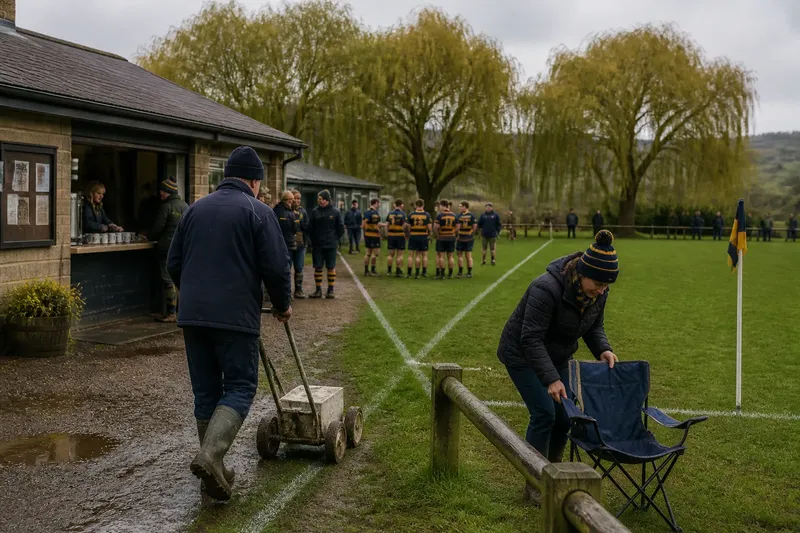
A rain-spattered programme curls at the edges as the teams warm up, while a few metres away someone shakes out a picnic blanket beneath a patch of blue sky. Rugby matchday rhythms take their cue from weather in small, visible ways: what people carry, what they talk about and how they mark the day around the game.
Rather than treating rain and sunshine as rival versions of the same afternoon, look at the rituals each one encourages. Wet weather can turn a flask, a dry pair of gloves and a shared awning into part of the occasion. Clear conditions can make a pre-match walk, a picnic or a familiar greeting feel like the main event before kick-off.
What rituals grow around a rainy rugby match?
Rain gives ordinary matchday objects a starring role. A waterproof programme sleeve, a flask passed between friends and a pair of gloves held in reserve can become part of a supporter’s routine. There is also the small ceremony of shaking water from a coat before stepping inside, or folding a hood back once the shower eases.
At a community club, rain may bring people together around a shared conversation about whose umbrella has turned inside out or whether the clubhouse kettle is on. Some supporters keep a dry cloth in a pocket for glasses; others bring a reusable cup with a lid. These are not grand traditions, but repeated gestures can make a wet afternoon feel recognisable.
Imagine a group of friends who usually meet beside the touchline. For a drizzly fixture, they bring a flask, tuck a paper programme into a waterproof sleeve and agree to meet beneath the clubhouse awning before warm-ups. The result is a different pre-match ritual: the greeting happens over hot tea and damp sleeves, then the group heads outside when the teams take the field.
How does sunshine change the social side of matchday?
Bright weather often gives the day more room before and after the match. People may bring a folding chair or a blanket for the club lawn, take a slow lap past the bar, or linger over a conversation without looking for a doorway. At some grounds, familiar faces sit in the same patch of sun from one fixture to the next, turning a place on the grass into an informal meeting point.
Sunshine can also shape what supporters bring to share: a flask of cold water, fruit, or snacks packed for the journey home. The point is not to assume every ground permits picnics or outside food; check the club’s matchday guidance. Where it is welcome, a simple spread can extend the occasion beyond the final whistle.
These sunny routines need not mean watching from a lawn. A supporter might arrive early to greet an old teammate, take a look at the club noticeboard and then settle by the touchline. The weather changes the pace of the gathering, not the reason people have come.
How do the seasons shape rugby’s familiar rituals?
Seasonal habits are often tied to the calendar as much as the forecast. Early-season fixtures may bring new kit, fresh boots and a first catch-up after summer. As colder months arrive, supporters may fall into a dependable pattern of checking the team sheet, warming their hands around a drink and gathering in the clubhouse after play.
Later in the season, a fixture can feel like a marker of changing light and longer evenings. The walk from the car park or station may be less hurried, and conversations can stretch beyond the final whistle. Local customs vary: one club might gather for a post-match meal, while another has a habit of applauding both teams off the pitch.
Weather is part of those rituals, but it does not write them from scratch. A club’s timetable, facilities and community shape what people can do. If a ground changes its arrangements, the club’s noticeboard or website is the best place to check what remains possible.
What should you pack for the matchday ritual?
Choose items that support the kind of afternoon you want, rather than packing for every imagined forecast. For a wet fixture, consider a hooded waterproof jacket, a closable bag and a cloth for wiping glasses or a phone screen. For sunshine, sunglasses, a cap and water can make time outdoors more comfortable. A spare layer is useful when the forecast is uncertain.
- Check the forecast before leaving; if rain is expected, then pack a waterproof layer, or choose a quick-drying coat if you need to travel light.
- Check whether the ground allows umbrellas; if they are permitted, bring a compact one, or use a hooded jacket where umbrellas are restricted or could block someone’s view.
- Check whether you will be standing or sitting; if standing, wear footwear suited to wet or uneven ground, or choose shoes with a more comfortable fit if you expect to sit for much of the match.
- Check whether your bag closes securely; if it does, keep your programme and phone inside, or use a zipped pouch for small items if the bag is open.
- Check whether the forecast includes bright sun; if it does, bring a cap or sunglasses, or seek shade during breaks if you prefer not to wear them.
- Check the club’s rules on food and drink; if outside items are allowed, pack a flask or water bottle, or plan to use the clubhouse if they are not.
Say a supporter expects showers, plans to stand with friends and is unsure about umbrella rules. They check the club’s matchday page, see that umbrellas are not allowed beside the touchline, and pack a waterproof jacket, a zipped bag and a cloth instead. When rain starts, the programme stays dry in the bag and the supporter can keep both hands free; the trade-off is leaving the umbrella at home and relying on the jacket for cover.
What do supporters ask about rugby weather rituals?
What is useful to bring to a rainy rugby match?
A hooded waterproof jacket, a closable bag and a small cloth are useful for keeping comfortable and protecting loose items. Check the ground’s rules before bringing an umbrella, since it may obstruct other spectators.
What can you do at a rugby match on a sunny day?
Arrive with time to greet friends, look at the club noticeboard or enjoy a snack where the ground permits it. A cap, sunglasses and water can help if you expect to spend a long spell outdoors.
Why do rugby supporters have different matchday routines?
Local habits grow from the club, the people who attend and the facilities available. Weather can alter where a routine happens, but it does not make every club’s customs the same.
How can you find out about a club’s matchday arrangements?
Check the club’s website, social media or noticeboard for current information about access, food, drink and ground rules. If something affects your plans and the information is unclear, contact the club before setting off.
How can weather become part of the occasion?
Notice the rituals rather than trying to assign rain or sunshine a fixed meaning. A flask shared under cover, a blanket spread on the lawn or a familiar post-match stop can give a fixture its own character. Rugby matchday rhythms often live in these repeated gestures, as much as in the action on the pitch.
One useful habit is to keep a small matchday kit ready at home: a zipped pouch for a programme, a cloth and a spare layer. Before each fixture, swap in the weather-specific item you need. That leaves less to remember at the door and makes it easier to join the day’s rituals, whatever the sky has planned.