A First Visit to a Rugby Ground in Early Autumn
A first visit to a rugby ground in early autumn is easier when you know what to wear, how to follow the light and which local matchday customs to notice.

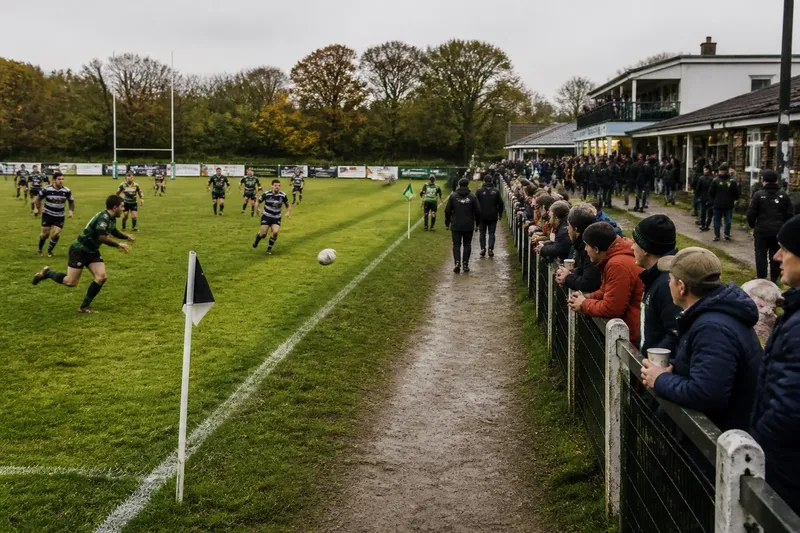
The first whistle carries across a village pitch while damp leaves cling to the touchline, and your scarf suddenly seems like a wise choice. A first visit to a rugby ground in early autumn is shaped as much by the changing season and local rituals as by the score. Let the afternoon unfold at its own pace: notice what the weather does, listen to the crowd and follow the small customs that make each club feel like itself.
What should you wear for an early-autumn match?
Autumn rugby often begins in mild sunshine and ends with a chill in the shade. A light waterproof jacket, a warm layer and shoes with a grippy sole are useful companions; a blanket can help if you expect to sit on cold or damp seating. Dress in layers you can take off or add without losing sight of play.
Check the forecast before leaving, but also look at the ground when you arrive. A breeze across an open field can feel sharper than the air by the clubhouse, while a brief shower may leave grass slippery after the clouds pass. Keep your hands free where possible, and avoid carrying anything you would not want to set down on damp ground.
How does the season change the matchday mood?
Early autumn brings a particular mix of late light, cooling air and leaves gathering along the edges of the pitch. The field may look bright beneath a low sun, then turn muted as shadows stretch across one half. Those shifts are part of the spectacle: watch how the crowd adjusts coats, shifts position and reacts when the light changes.
Try not to judge the afternoon by the weather at kick-off. A layer that feels unnecessary at first can become welcome later, and a patch of sun may move while you are absorbed in play. If you want to move, wait for a natural pause and choose a place that does not obstruct anyone else.
Which local customs should a first-time visitor notice?
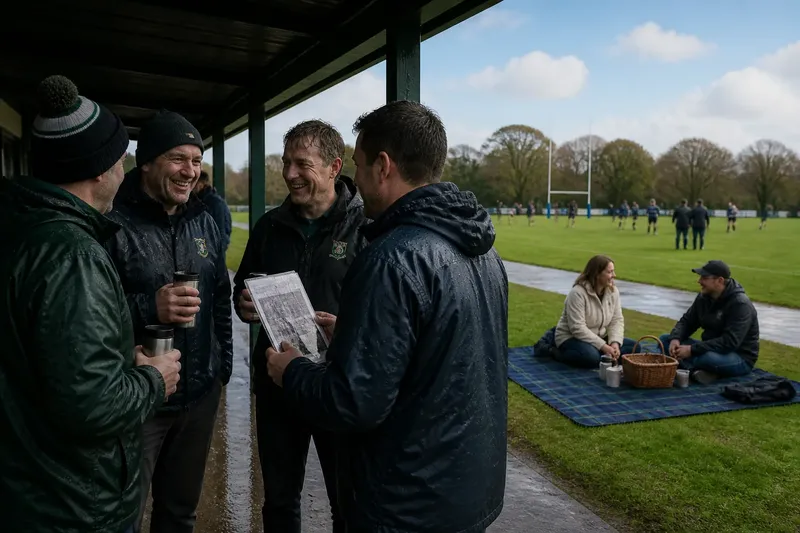
Some traditions are announced; many are quiet. You might hear neighbours greet one another by name, see volunteers prepare the touchline, or notice spectators gathering near the clubhouse before play. These gestures are not a code you must learn before joining in. A friendly hello, a little patience in a queue and attention to posted requests are usually enough to meet the moment respectfully.
Keep photographs considerate, especially around children, players and team areas. If a chant or ritual is unfamiliar, listen before joining; not every crowd expects visitors to take part. The pleasure lies in noticing how the club gathers, not in performing familiarity.
What can you notice beyond the ball?
Rugby rewards attention to movement, but a first visit offers plenty to watch at the edges too. Listen for the change in sound before a kick, watch how players reset after a stoppage, or notice how a gust alters a high ball’s path. The weather is not scenery alone; wind and damp conditions can influence the rhythm of a match.
Choose one detail to hold onto rather than trying to remember everything. It might be the smell of wet grass, the rustle of leaves behind the posts or the crowd’s sudden hush. A small note after the final whistle can bring the afternoon back without turning the match into homework.
How should you respond to common first-visit questions?
Do I need to know rugby rules before I go?
No. Follow the ball and the referee’s signals, and enjoy the changes of pace even if a decision is unclear. If you want an explanation, ask a companion during a break rather than feeling obliged to understand every call.
What if the weather turns wet?
Put on your waterproof layer and take care on slick grass or steps. If the conditions make your spot uncomfortable, move during a break to an allowed area with firmer footing.
Should I join in with chants?
Listen first and follow the crowd’s lead. A smile or a clap can be a comfortable way to share the moment while you work out which customs feel welcoming.
How can I remember the day?
Keep one vivid detail: the colour of the sky, a sound from the clubhouse or the way the wind carried the whistle. A brief note afterwards is often more useful than trying to record every phase of play.
How can a simple plan make the afternoon easier?
Say you expect a breezy, showery afternoon and bring a waterproof shell, a warm jumper and shoes with a firm tread. At the ground, you find the open side of the pitch exposed to the wind, so you wait until a stoppage and move to an authorised sheltered viewing area; if rain begins, you put on the shell. The observable result is that you stay comfortable enough to watch, while the trade-off is a different view of the match.
- Check the forecast: If showers are expected, pack a waterproof layer; if the forecast is dry, bring a spare warm layer instead.
- Check the ground underfoot: If grass or steps look slick, choose grippy shoes and walk carefully; if surfaces are firm, ordinary comfortable footwear may be enough.
- Check the wind at your viewing spot: If it cuts across the pitch, add a layer or move during a break; if the spot feels sheltered, keep your outer layer handy rather than wearing it.
- Check whether seating is damp: If it is, use a permitted seat cover or choose a dry standing area; if it is dry, settle without carrying extra kit.
- Check the club’s posted requests: If photography or access is restricted, follow the notice; if no restriction is posted, still avoid intrusive pictures of children and team areas.
- Check the crowd’s response to a chant: If people are joining in, clap or join if comfortable; if the custom is unclear, listen first and keep your response low-key.
A first visit to a rugby ground in early autumn becomes easier when you prepare for the weather, leave room to adapt and pay attention to the people around you. The match may be the reason you arrive, but a local greeting or a sudden gust over the posts can be what you remember on the way home.